


Food industry
#Application ·2022-09-03 08:21:25


Vacuum pumps can help maintain product quality by removing air and moisture, preventing spoilage and contamination. Vacuum packaging, dehydration, and freeze-drying processes effectively preserve freshness and extend shelf life.
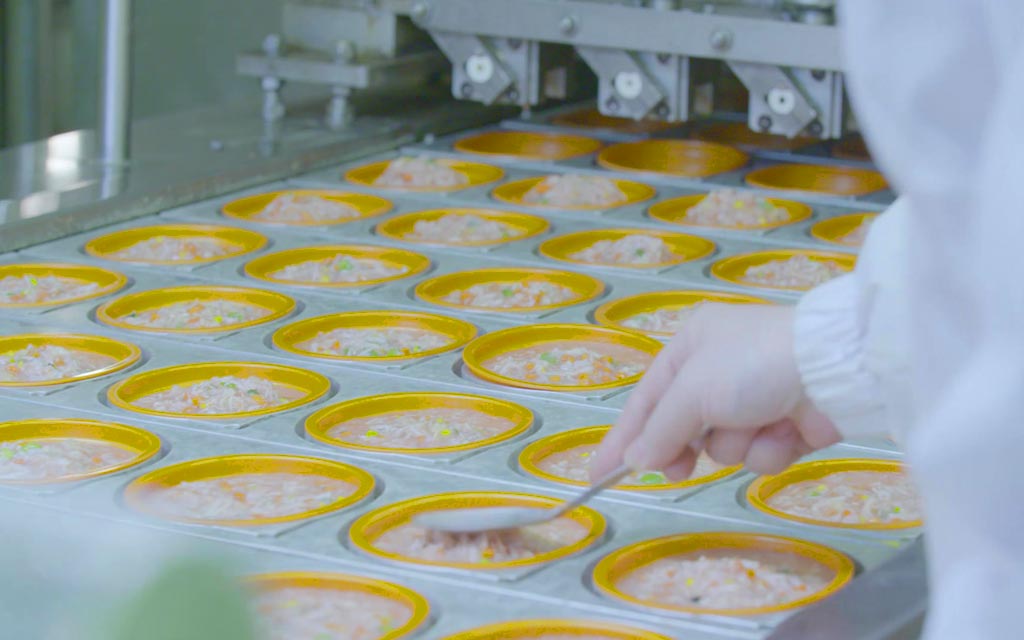
Application of vacuum pumps in the food industry: sublimation, drying, dehydration, vacuum evaporation, degassing, deodorization, sterilization, vacuum preservation, vacuum packaging, etc. Many processing processes in the food industry can be optimized through the use of vacuum systems. Additionally, during food packaging, vacuum pumps can be used to exhaust air, extend the storage time of food, and remove odors.
Vacuum pumps are widely used in the food industry, primarily by creating a vacuum environment to optimize processing flows, extend shelf life, and ensure food safety. The following describes specific application scenarios and advantages. In food processing, vacuum pumps are used for vacuum packaging, which reduces oxygen concentration by extracting air from within the package, inhibiting microbial proliferation and oxidation reactions, thereby extending the shelf life of food and maintaining its flavor. This technology is applicable to fresh foods (such as chilled meat and seafood), processed foods (such as sausages and hams), and ready-to-eat meals (such as marinated steaks and frozen dumplings), extending the shelf life by 3 to 10 times while retaining the original color and taste. Additionally, vacuum pumps support vacuum concentration and low-temperature drying, evaporating water at low temperatures by reducing pressure, thus reducing nutrient loss and browning. For example, they are used for dehydrating vegetables, dried fruits, and meat products, improving drying efficiency by 40%. Vacuum infusion is another key application, which discharges air from food pores through negative pressure and then utilizes pressure differences to rapidly infiltrate seasoning liquid, achieving efficient flavor infusion. This is applicable to fruits and vegetables (such as pickled cucumbers), meats (such as marinated steaks), and snack foods (such as pickled chicken feet), shortening the marination time to 1/12 of traditional methods. Furthermore, vacuum pumps are used in the degassing process to remove air bubbles from liquid foods (such as juice, milk, and sauces), preventing oxidative deterioration and filling foam, and enhancing product stability. In sterilization and preservation, the vacuum environment can inhibit microbial growth, and vacuum sterilization is used for tea and condiments to reduce pest and bacterial risks. Rapid cooling of cooked foods also relies on vacuum systems, such as cooling high-temperature foods to safe temperatures within 30 minutes to avoid bacterial contamination. Vacuum conveying is used for dust-free and hygienic conveyance of powdered raw materials (such as flour and milk powder), reducing cross-contamination. When selecting vacuum pumps, hygienic design, such as sanitary liquid ring pumps, should be considered to meet the cleanliness requirements of the food industry. Energy efficiency optimization is also a key focus, such as using centralized gas supply systems to reduce noise, temperature, and energy consumption, resulting in significant annual cost savings.